
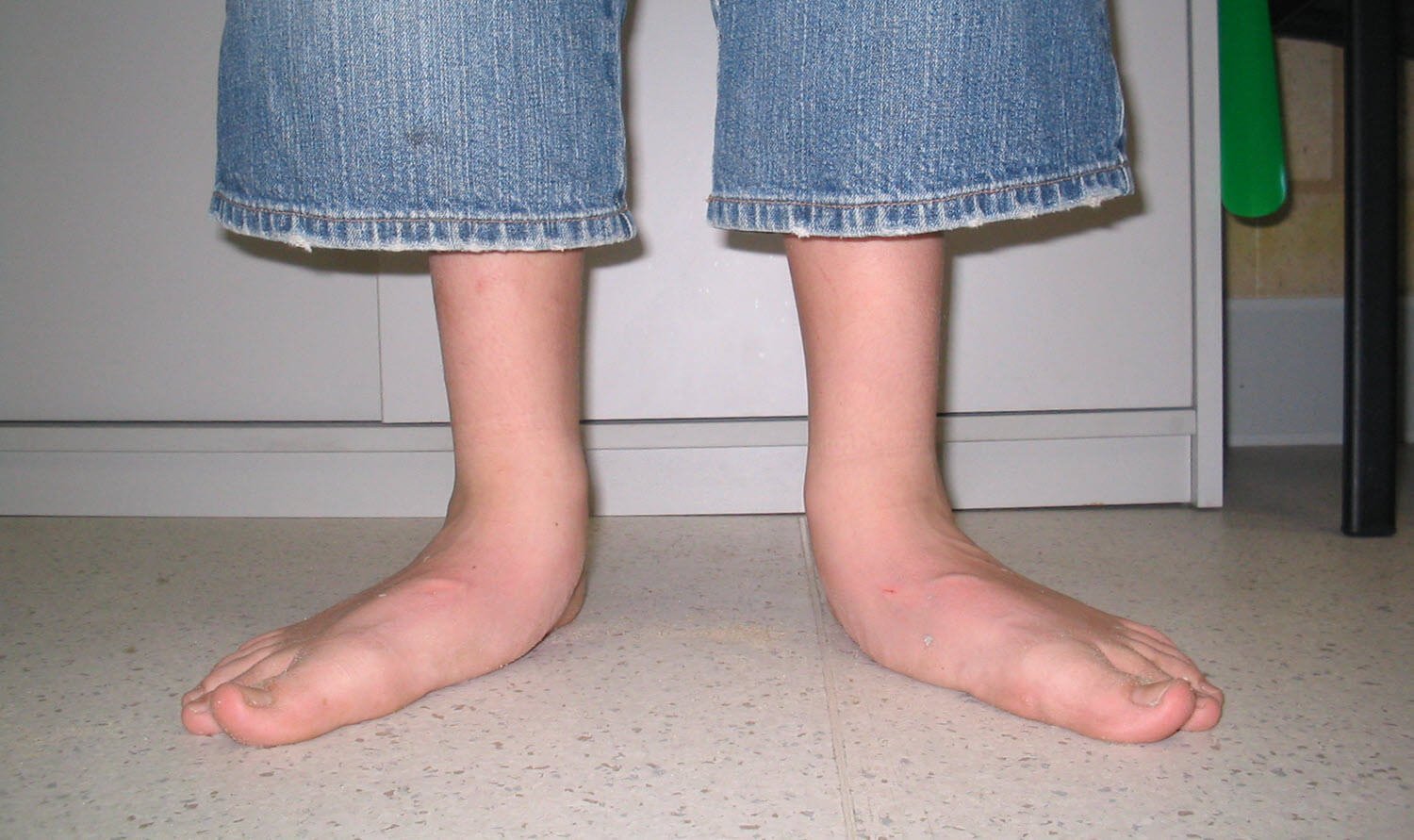
Flat feet in Esperance
People often worry about having flat feet, or notice that their child's feet look flat. But here's the good news: having flat feet isn't necessarily a problem. Feet come in all shapes, and many people with low arches go their whole lives without any trouble.
Some flat feet do need attention, though. The key is working out whether yours are one of them, and if so, what will actually help.
What are flat feet?
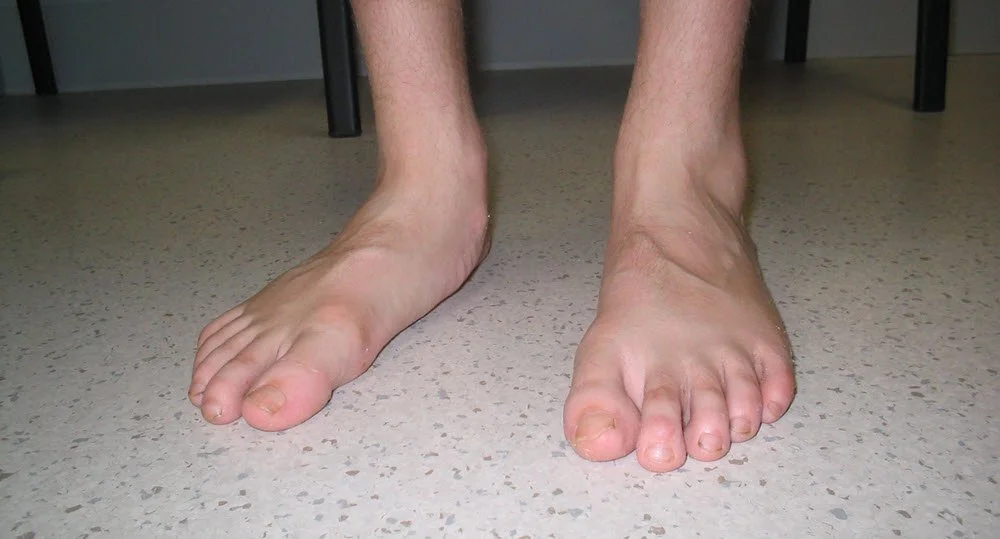
"Flat feet" describes a foot where the arch on the inside sits low or close to the ground when you stand. Often the foot also rolls inwards (pronates) and the heel tilts outwards.
There are a few different kinds:
Flexible flat feet: the arch flattens when you stand but reappears when you sit or rise up onto your toes.
Rigid flat feet: the arch stays flat whether you're standing or not.
Flat feet that get flatter in adulthood: a foot that becomes noticeably flatter than the other one can be a sign of progressive collapsing foot deformity (PCFD) or Charcot foot. Both should be checked by your podiatrist, and Charcot foot urgently, especially if the foot is also warm, red or swollen, and you have diabetes or reduced feeling in your feet. See [collapsing flat foot (PCFD)].
What about children?
Babies and children usually have flat-looking feet. Their arches become more obvious as the fatty tissue in the arch dissipates and hormones help to tighten the ligaments. So flat feet in toddlers and young children are normal. However, it's worth getting them checked if your child has pain, tires easily, walks unusually, or if their feet look very different from each other. [Link: Kids' feet, once that page exists]
When flat feet might need treatment
Flat feet are worth having assessed if you notice:
pain in the arch, heel, ankle, shins, knees or lower back
your feet or legs tiring quickly when walking or standing
shoes wearing unevenly, or quickly losing their shape
one foot flatter than the other, or an arch that has dropped over time
pain or swelling on the inside of the ankle
difficulty keeping up with sport or activity
How we assess flat feet
To work out whether treatment is needed, Rebecca looks at the whole picture, not just the shape of your foot. She'll ask about:
Signs: what you or others have noticed about your feet, your walking or your shoes
Symptoms: any pain, tiredness or difficulty with activity, and when it happens
Family history: flat feet and related problems often run in families
Your activities and goals: work, sport, events, and the shoes you wear most
Past injuries to your feet, ankles or legs
Grading your foot posture
Rebecca also measures how flat your feet are using the Foot Posture Index (FPI), a validated clinical tool. It scores six simple observations of your foot while you stand relaxed, including the position of your heel, ankle and arch, and adds them together. The total shows whether your foot posture is within the normal range, flat (pronated), or highly flat.
This gives us an objective measure to guide treatment decisions, and something to compare against at future visits.
Treatment
If treatment is needed, it's tailored to your feet, your symptoms and your lifestyle. Options include:
1. Footwear advice
The right shoes can make a big difference. We'll talk about features that support flat feet, such as a firm heel counter, good midfoot stability and secure lacing, and what to look for when you buy your next pair. Bring your most-worn shoes to your appointment.
2. Stretching and strengthening exercises
Tight calf muscles often make the foot work flatter. When the calf can't stretch far enough as you walk, the foot rolls in and the arch flattens to make up for it, so calf stretches are often an important part of treatment. Some people also have muscle weakness in the feet and legs that contributes to flattening. Rebecca can give you strengthening exercises tailored to you.
3. Off-the-shelf orthotics
Pre-made foot orthotics (arch supports) suit many people with mild to moderate symptoms. They're a cost-effective first step, and we can adjust them to fit your feet better.
4. Custom-made orthotics
When your feet need more specific support, or off-the-shelf orthotics haven't been enough, custom orthotics are made from a cast or scan of your feet to match your foot shape and how you move.
5. The Richie Brace
For some adults whose flat feet are getting worse, such as with progressive collapsing foot deformity (PCFD), more support is needed than an orthotic can give. The Richie Brace is a custom-made ankle-foot orthosis (AFO) that fits inside a supportive shoe and supports both the foot and ankle. Read more on our [collapsing flat foot (PCFD)] page.
Book an appointment
If your flat feet are causing pain or tiredness, or you've noticed your arch changing, book in with Rebecca at Esperance Podiatry. No referral is needed.
Call (08) 9072 1514 or visit us at Suite B, 116 Dempster Street, Esperance.