
Ball of foot pain treatment in Esperance
The ball of your foot is the padded area just behind your toes. It takes a huge amount of load every time you push off to walk, and even more when you run, jump, climb stairs or wear heels. When something in this area becomes irritated or injured, every step can hurt.
Pain in the ball of the foot is often called metatarsalgia. That isn't a diagnosis in itself, just a name for pain under the metatarsal heads (the knuckle-like ends of the long bones in your foot). Finding the actual cause is the key to getting the right treatment.
What it can feel like
Aching, burning or sharp pain under the ball of the foot
A feeling like walking on a stone, a bruise or a folded-up sock
Pain that's worse when walking barefoot on hard floors, in thin-soled or high-heeled shoes, or after standing for long periods
Tingling, numbness or shooting pain into the toes
Common causes
Morton's neuroma
A thickened, irritated nerve between two of the long bones, most often between the 3rd and 4th toes. It typically causes burning, tingling or numbness into those toes, or a feeling of walking on a pebble. It's often worse in tight or narrow shoes and eases when you take your shoes off and rub your foot.
Plantar plate injury
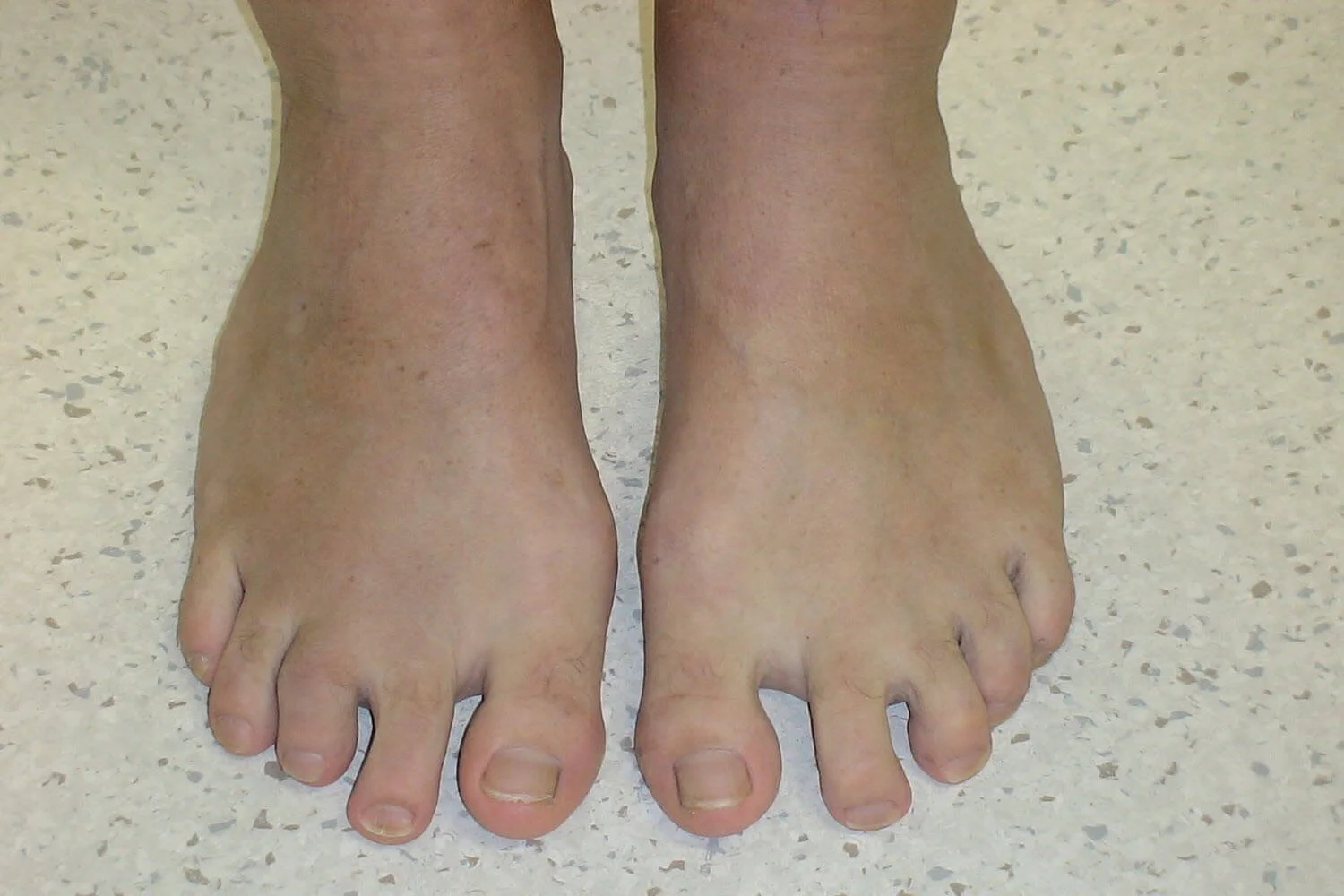
The plantar plate is a set of strong ligaments under the ball of the foot that holds your toes in even alignment. When it's torn, two toes start to drift apart. Sometimes the moment of injury is noticeable; other times no frank injury can be remembered.
Joint inflammation (capsulitis)
Irritation of the joint capsule and adjacent ligaments is often painful during push-off. The 2nd toe is the most commonly affected toe. It's common in people with bunions, a long second metatarsal or hammertoes. Over time the toe may start to lift, drift towards the big toe or cross over it.
Sesamoiditis
The sesamoids are two small bones under the big toe joint that sit within a tendon. They can become inflamed or, occasionally, fractured. This is most common in runners, dancers, netball players, and people who spend a lot of time on the balls of their feet. Sesamoiditis can become debilitating so it is best to see a podiatrist early.
Thinning of the fat pad
The natural cushioning under the ball of the foot can thin out and drift forward with age, leaving the bones with less padding. It's a common cause of ball of foot pain in older people.
Callus and corns
Hard skin and corns under the ball of the foot are a sign of excess pressure, and can be painful in their own right. Read more about corns and calluses.
Stress fracture
A small crack in one of the metatarsal bones, often after a sudden increase in walking, running or training. It usually causes pain and swelling on the top of the foot as well as underneath. If you suspect a stress fracture, see a podiatrist or your GP promptly.
What makes it more likely
High-heeled, narrow or thin-soled shoes
A sudden increase in walking, running or standing
Bunions, hammertoes or a long second metatarsal
A high-arched foot, which concentrates load on the forefoot
Tight calf muscles, which shift more load onto the ball of the foot
Carrying extra body weight
Age-related thinning of the fat pad
How we treat ball of foot pain
Rebecca will examine your foot, your footwear and the way you walk to work out the cause. Treatment depends on what's going on, but often includes several of these:
Footwear
The right shoes can make a big difference. This will depend on your diagnosis, and your foot shape and function. Sometimes it’s a shoe with a bit higher heel-to-toe drop to keep your heel loaded longer; sometimes it’s a rocker sole (curved under the forefoot) to reduce how much the toes have to bend as you push off, which takes load off the ball of the foot; and there are even times when it’s a moon boot where offloading is paramount.
Padding
A metatarsal pad or dome placed just behind the painful area lifts and spreads the bones and takes pressure off the sore spot. Alternatively, pressure deflective padding allow prominent sore joints to sit in a divet and take less pressure with each step. Rebecca can position the padding precisely, which matters, because a pad in the wrong place can make things worse.
Orthotics
Custom or prefabricated orthotics can redistribute pressure across the whole foot and build in padding or pressure deflection exactly where it's needed. They're especially helpful when foot shape, arch height or the way you walk is part of the problem. Rebecca also offer carbon fibre plates over 6-8 weeks to enable pain-free walking.
Taping
For plantar plate injuries and capsulitis, taping the toe holds it in a better position and protects the injured ligament while it heals. This is a relatively easy DIY method that you can apply yourself.
Calf stretching and strengthening
If tight calves are adding load to the forefoot, regular calf stretches and strengthening exercises can help. Rebecca finds tight calves are almost always a part of the picture with ball of foot pain. She’ll make sure your doing them correctly so you’re getting the most out of every stretch.
Load management
Cutting back temporarily on aggravating activities, then building your tissues back up so they can handle more without breaking down again, is often the name of the game in athlete-related forefoot injuries. Rebecca will walk you though the process.
Callus care
Removing painful callus and corns gives immediate relief, while the other treatments address why they formed.
When further help is needed
If your pain doesn't settle, Rebecca may refer you for imaging, such as ultrasound or X-ray, or to your GP or a foot surgeon for further options.
When to see a podiatrist
Book in if:
pain in the ball of your foot has lasted more than a couple of weeks
you have burning, tingling or numbness into your toes
one of your toes is starting to lift, drift or cross over its neighbour
you have swelling on the top of your foot, especially after increasing your activity
you can’t find shoes that are comfortable to wear
Book an appointment
If the ball of your foot is sore, book in with Rebecca at Esperance Podiatry. No referral is needed.
Call (08) 9072 1514 or visit us at Suite B, 116 Dempster Street, Esperance.