
The Richie Brace in Esperance
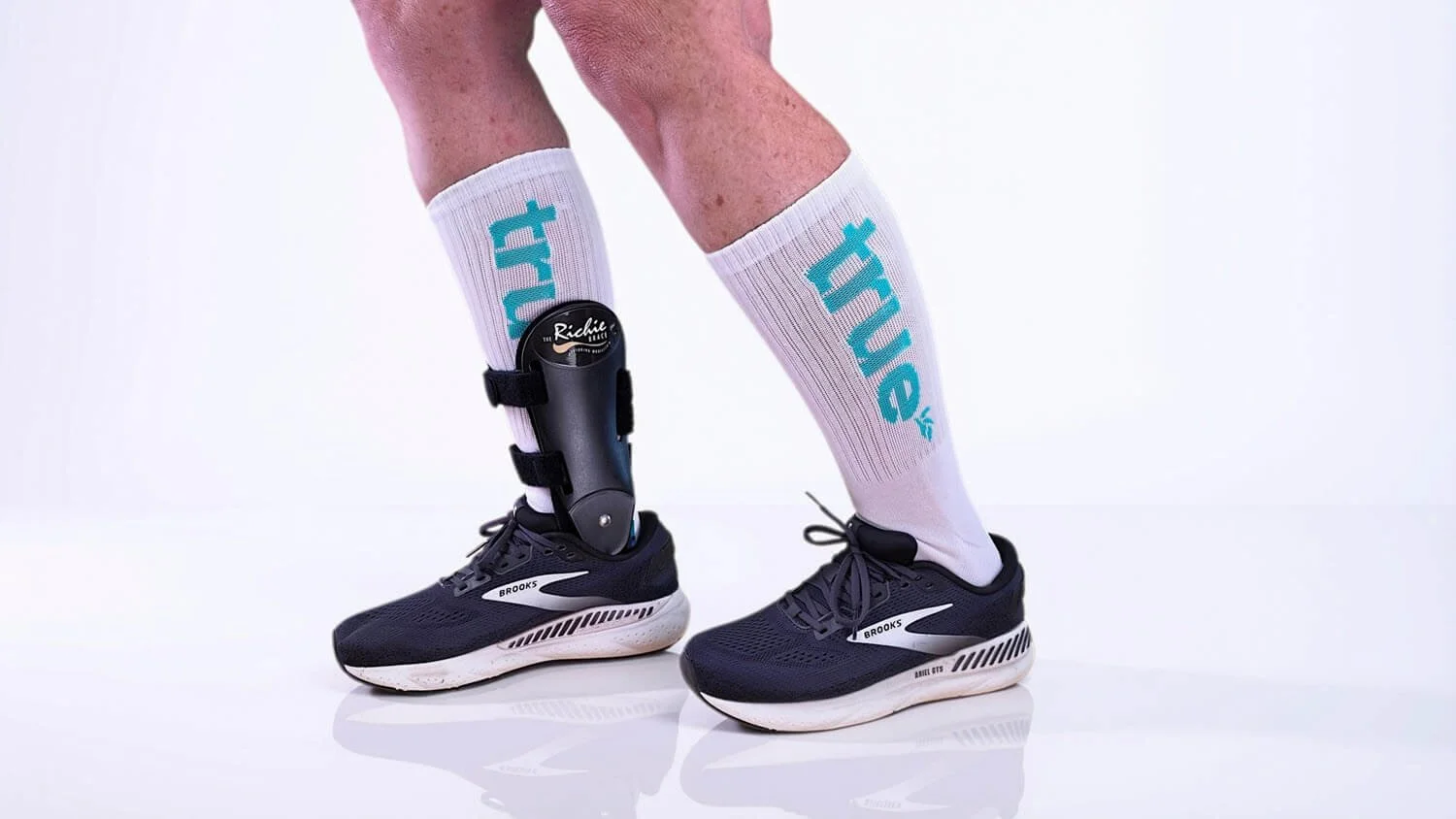
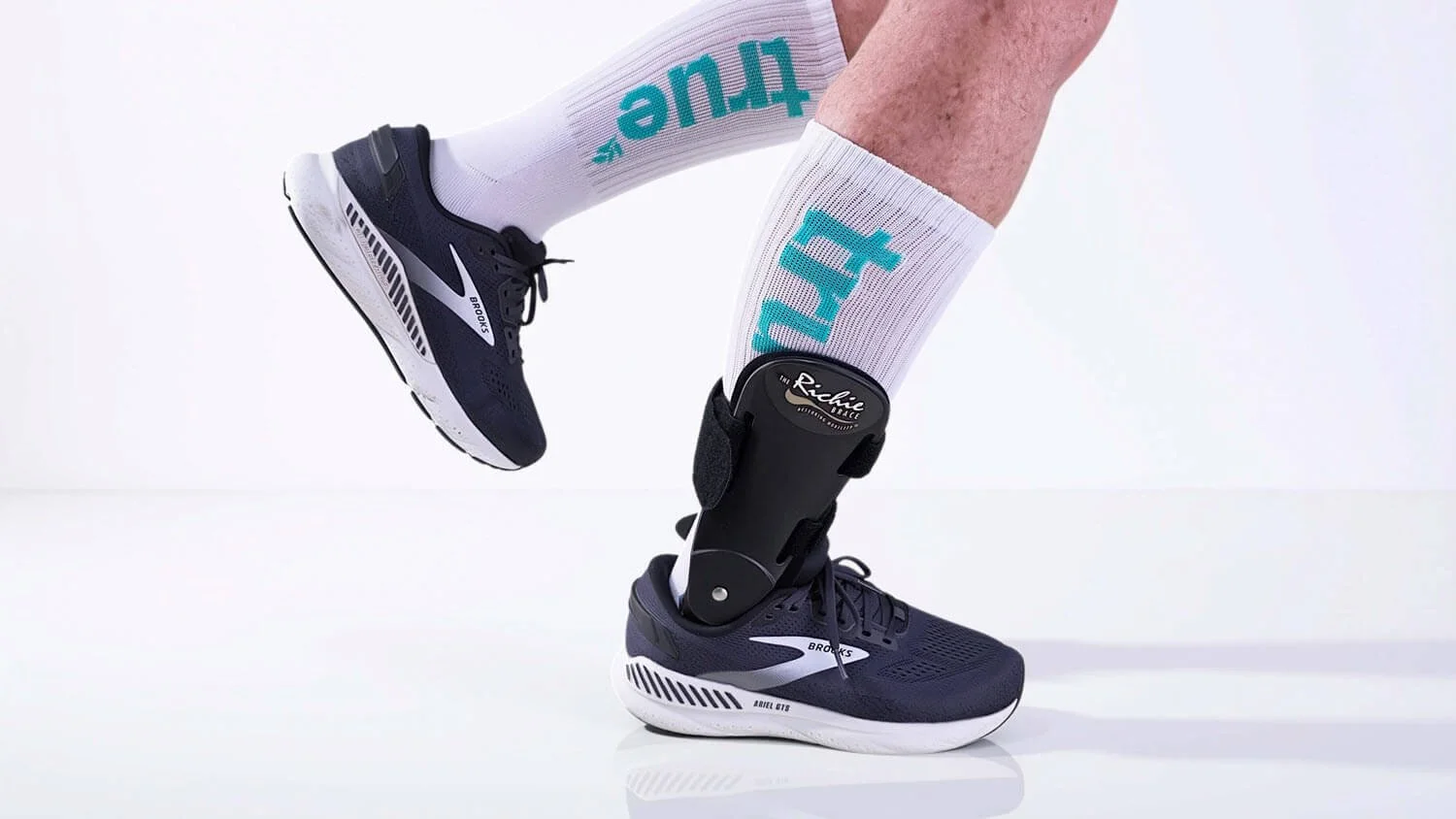
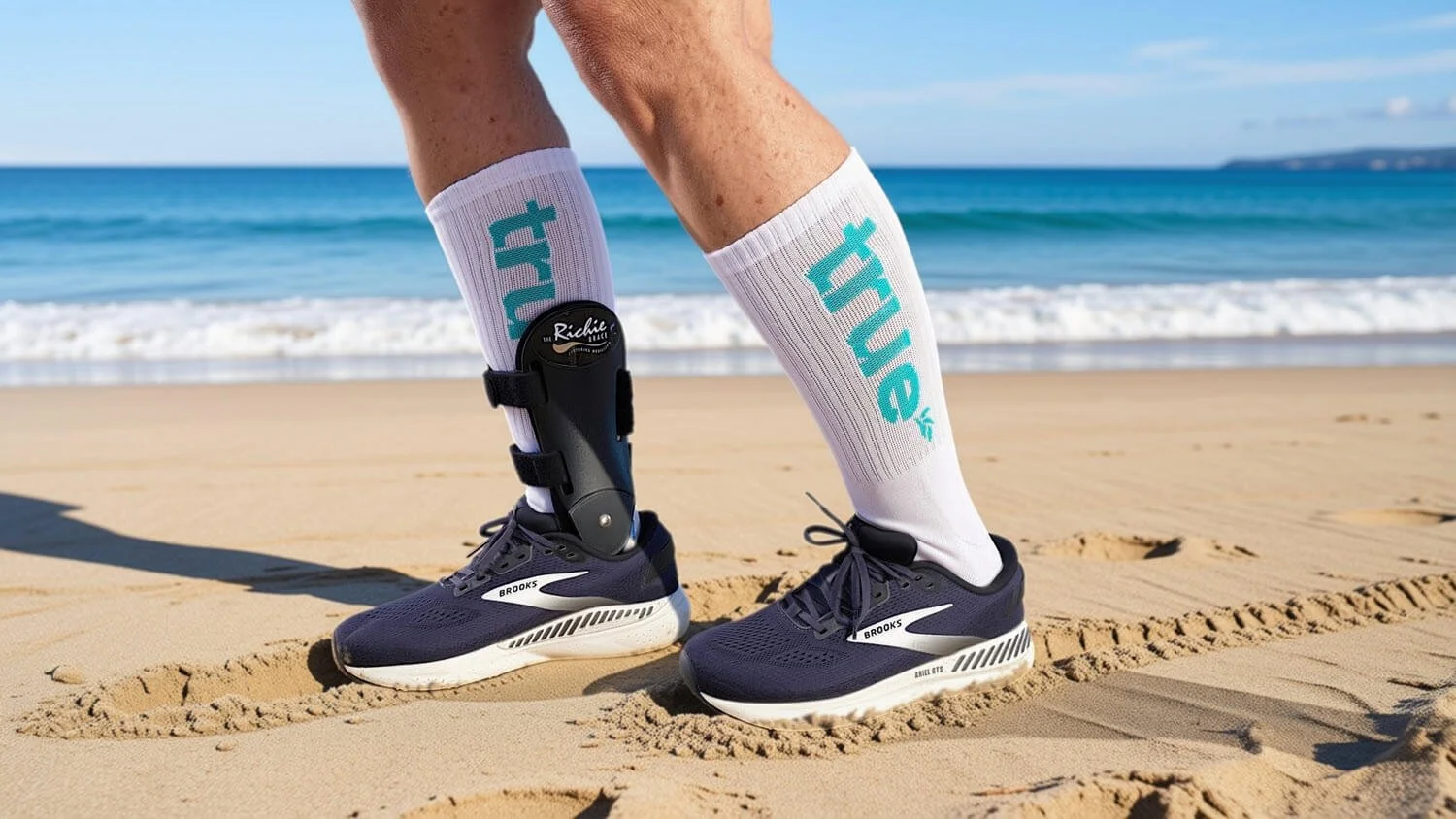
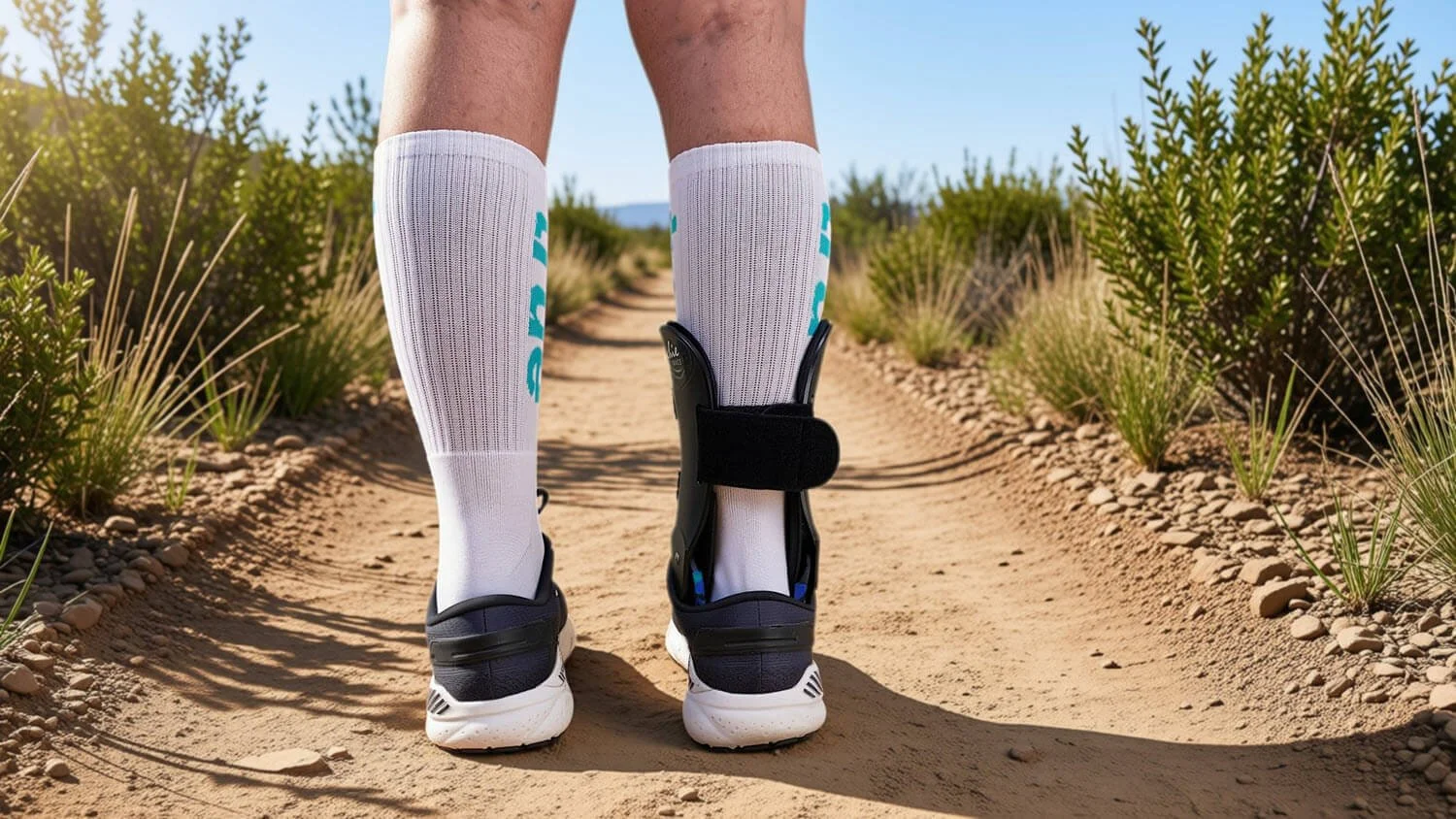
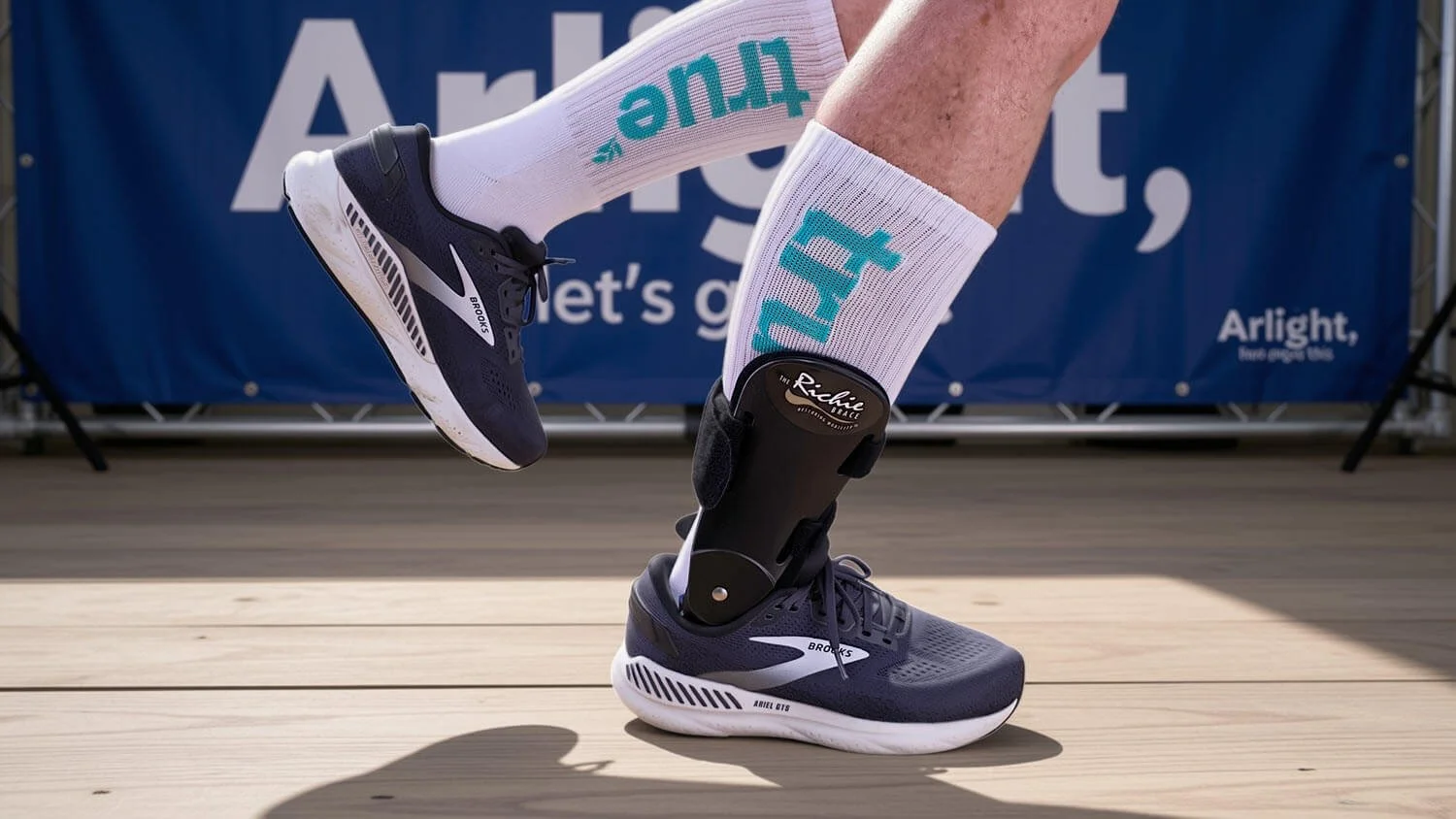
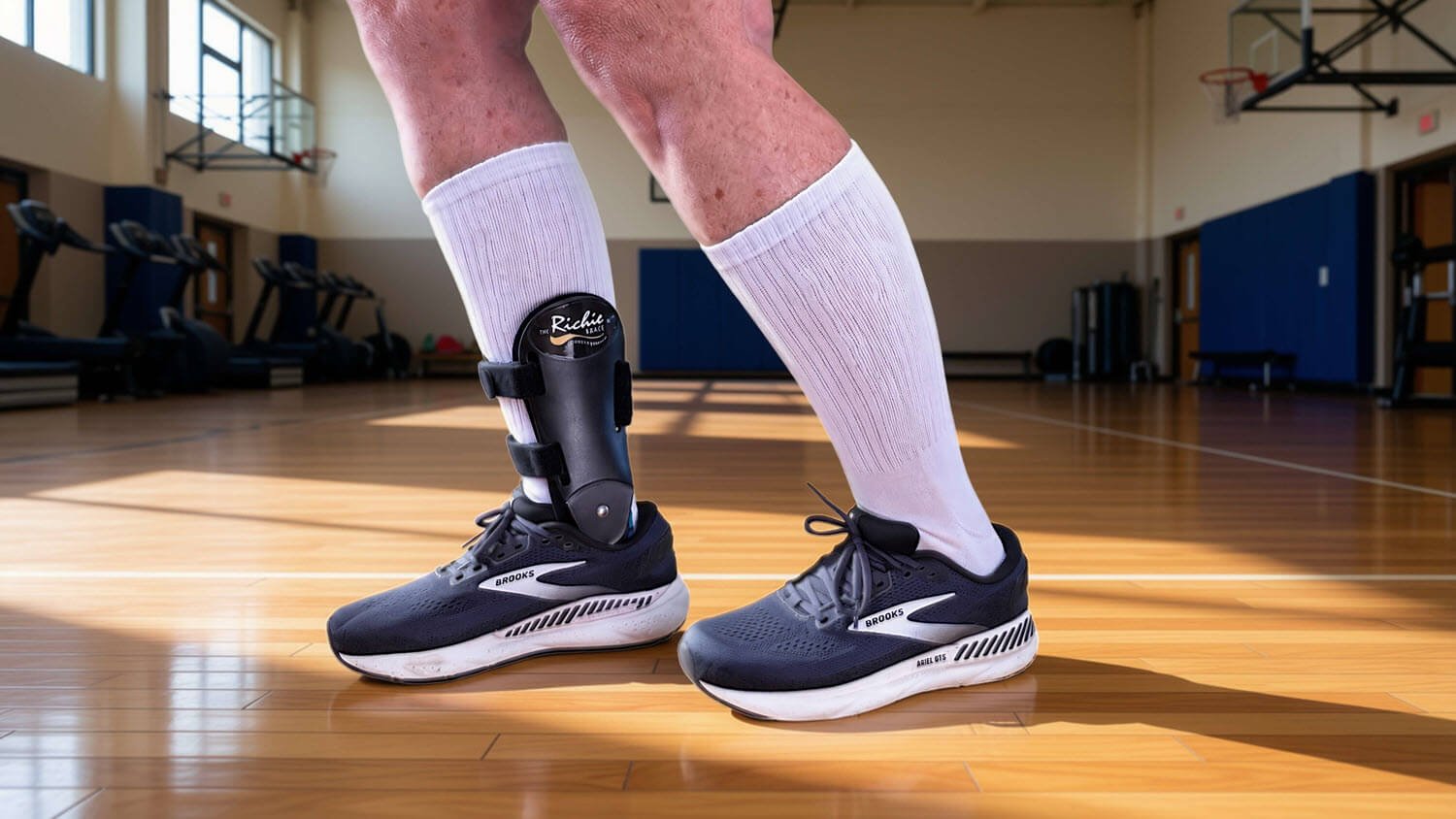
The Richie Brace is a custom-made ankle-foot orthosis (AFO): a foot orthotic moulded to your foot, attached to lightweight, hinged supports on either side of the ankle. It was designed by US podiatrist Dr Douglas Richie, and is used around the world to support painful, weak or unstable feet and feet and ankles.
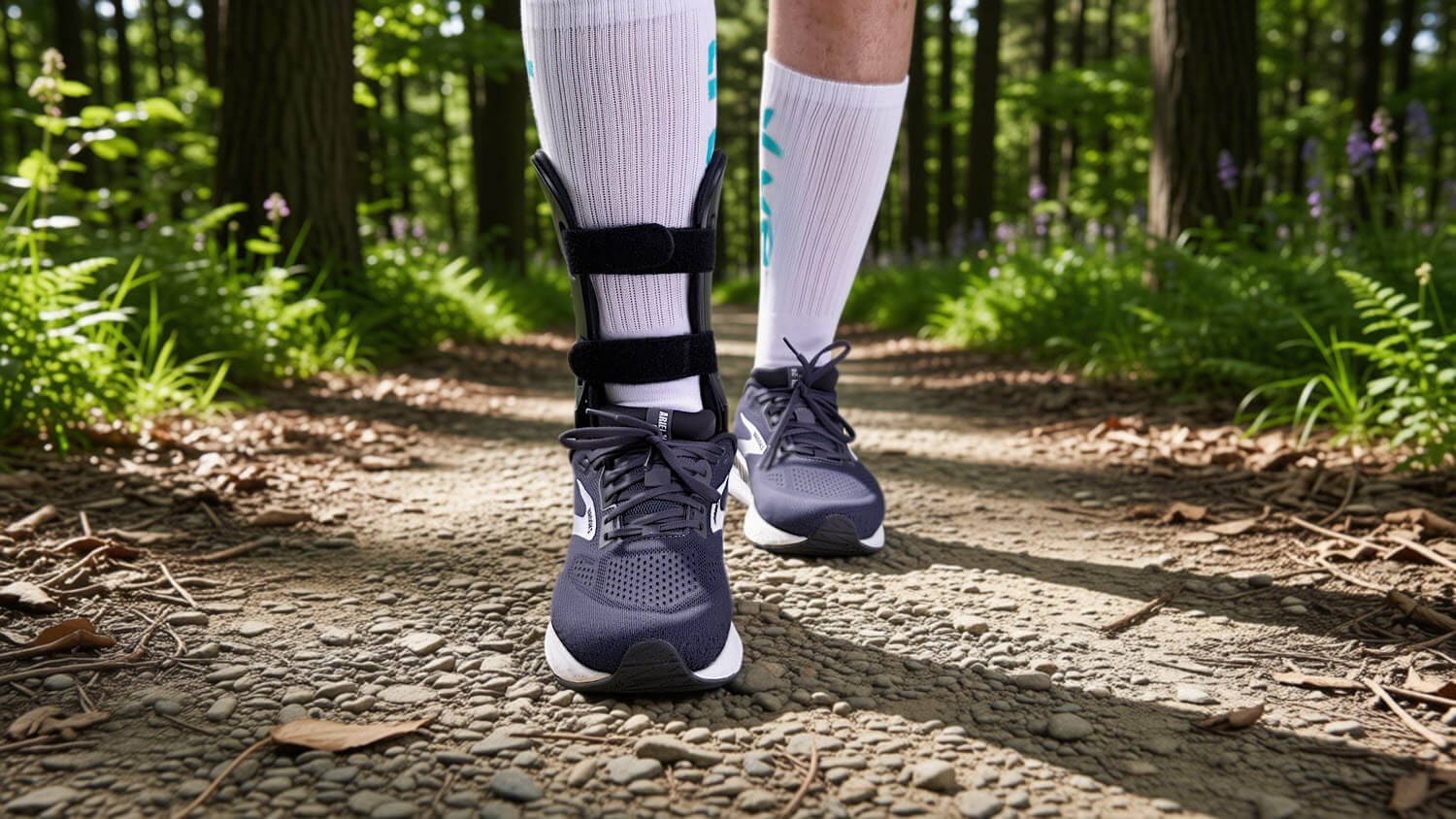
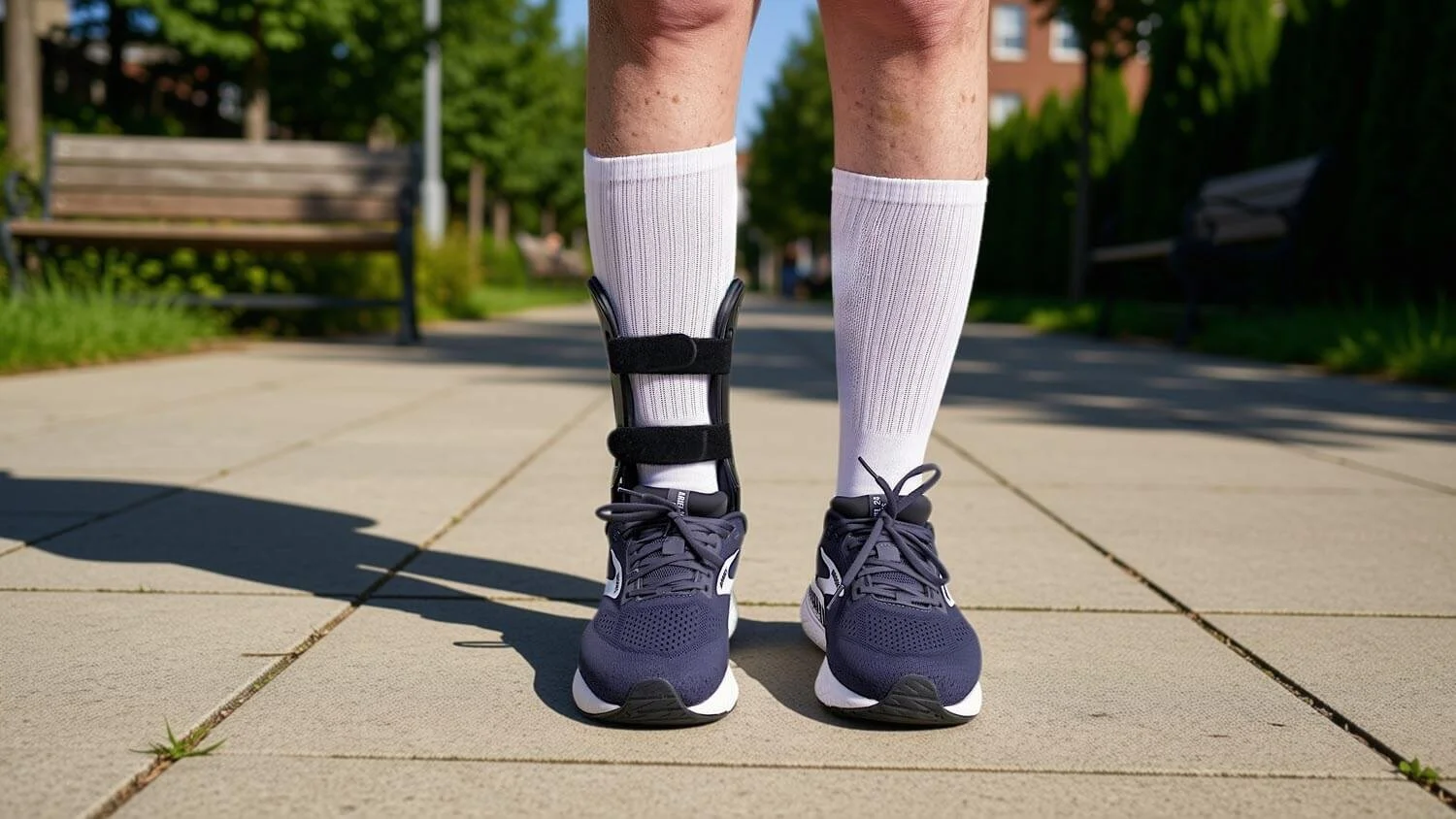
Unlike bulky traditional ankle braces, the Richie Brace is low-profile and fits inside most supportive lace-up shoes. The hinge lets your ankle move up and down naturally as you walk, while controlling the rolling and collapsing movements that cause pain or instability.
Who it can help
The Richie Brace is usually considered when orthotics alone aren't giving enough support. Its two most common uses are for a collapsing flat foot in adults (PCFD) and foot drop. It may help with:
Progressive collapsing foot deformity (PCFD), previously called posterior tibial tendon dysfunction (PTTD) or adult-acquired flatfoot (AAFF). The ligements and tendon that supports the arch gradually stretches and weakens, the arch collapses and the foot changes shape. It's most common in adults over 50.
Foot drop, difficulty lifting the front of the foot, causing the toes to catch or the foot to slap down when walking. It's usually caused by a nerve, muscle or other neurological problem.
Arthritis of the ankle and rearfoot (degenerative joint disease): wear-and-tear arthritis of the ankle and subtalar (rearfoot) joints, where limiting painful movement eases pain.
Ankle instability and repeated ankle sprains: an ankle that keeps rolling or giving way, usually after repeated sprains. Read more about ankle, leg and knee pain.
Tendon problems around the ankle: such as peroneal tendon problems, where a period of support helps the tendon settle and heal.
Stubborn heel pain: specialised Richie offloading braces are available for long-standing plantar heel pain and pain at the back of the heel (Achilles insertion) that hasn't responded to other treatment.
Types of Richie Brace
There are several versions of the Richie Brace, and Rebecca will prescribe the one that suits your condition:
Richie Brace Standard: the original design, for PCFD, ankle instability, arthritis and many other conditions
Richie Brace Dynamic Assist: includes a spring-assisted hinge that helps lift the front of the foot, for foot drop
Richie Brace Arch Suspender: adds extra arch support for more advanced flat foot collapse
Richie Brace Restricted Hinge: limits ankle movement where motion itself is painful, such as with arthritis
Richie AeroSpring: offloading braces designed for stubborn plantar heel pain and Achilles insertion pain
Richie Brace, orthotics or a standard brace?
Foot orthotics support the foot inside the shoe, but can't control the ankle. They're often the first step, and we offer ready-made and custom orthotics. Read more on our orthotics page.
Off-the-shelf ankle braces or taping are good for short-term protection, such as after a sprain, but are bulky and not designed for long-term daily wear.
The Richie Brace combines a custom orthotic with ankle support, giving more control than an orthotic, in a lighter, more wearable form than a traditional AFO.
What's involved
Assessment. Rebecca assesses your feet, ankles, the way you walk and your footwear, to work out whether a Richie Brace is the right option for you.
Casting. Rebecca takes a plaster cast or 3D scan of your foot and ankle, in the position that best supports your foot.
Manufacture. Your brace is made to Rebecca's prescription by a specialist laboratory. This usually takes a few weeks.
Fitting. Rebecca checks the fit in your shoes, makes any adjustments, and shows you how to put it on and wear it in.
Review. A follow-up visit checks how you're going and fine-tunes the fit.
Shoes and wearing in
Shoes: the Richie Brace needs a supportive lace-up shoe with a firm heel and a removable insole. Some people need to choose a deeper or wider shoe. Bring the shoes you plan to wear it in to your casting and fitting appointments.
Wearing in: start with an hour or two a day, then gradually increase over one to two weeks.
Care: wipe it clean with a damp cloth, and keep it away from direct heat. With good care, it lasts for years.
Fees
Richie Brace: $1,230 each, including your examination and casting
Review appointments are charged at our standard time-based consultation fees. See our fees.
If your private health extras cover includes orthotics or braces, you can claim on the spot with our Tyro terminal. How much you get back depends on your fund and level of cover, so check with them first.
Book an assessment
If you'd like to find out whether a Richie Brace could help you, book in with Rebecca at Esperance Podiatry. No referral is needed. Please bring the shoes you wear most often, and any orthotics or braces you've used before.
Call (08) 9072 1514 or visit us at Suite B, 116 Dempster Street, Esperance.